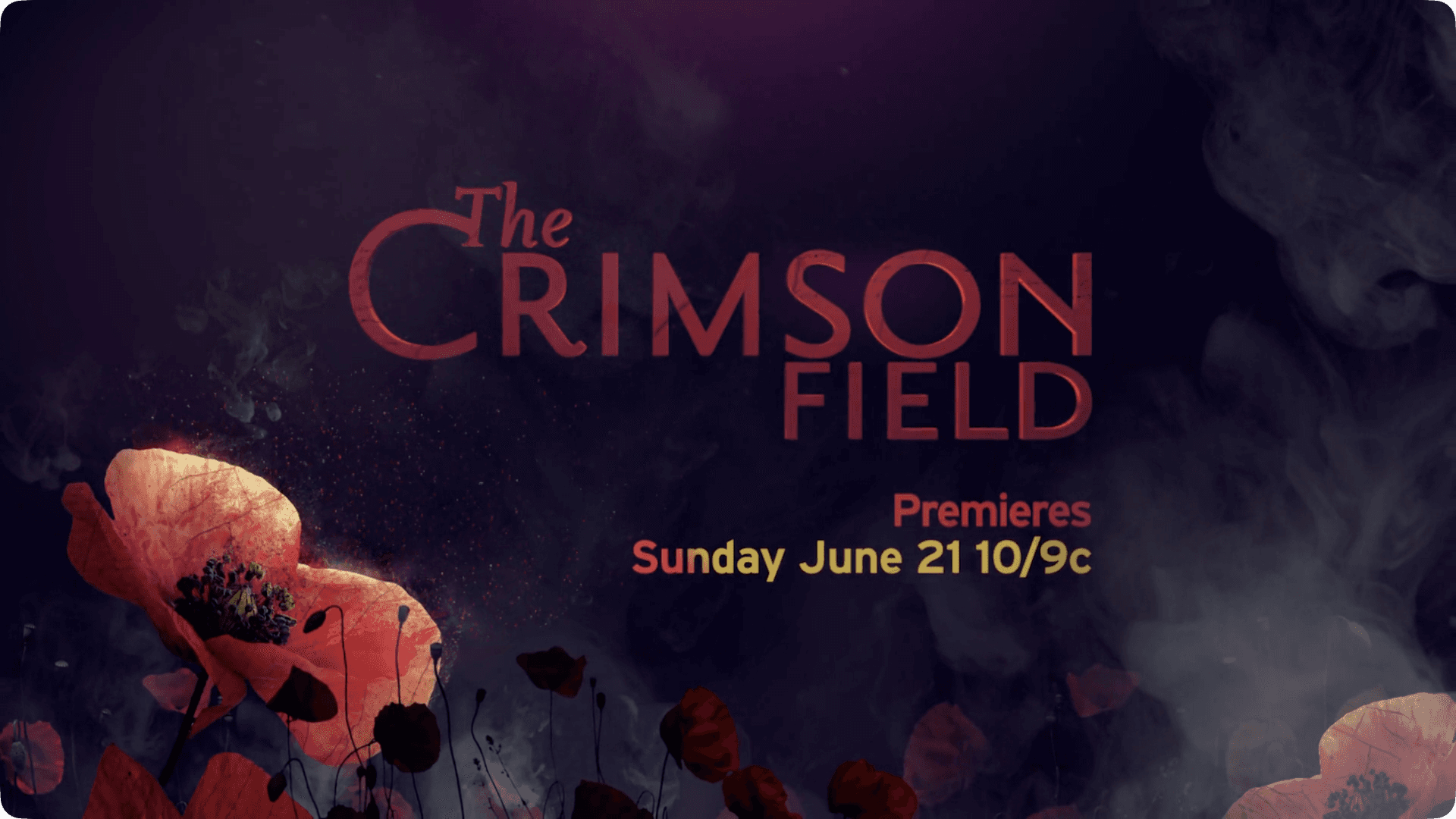
Ten years as the visual steward of one of America's most recognized public media brands.
Client
PBS
Role
Creative Director
Agency
Various: 2008 to 2018
Summary
The PBS Way
PBS is not a network in the commercial sense. It's a membership organization, with more than 300 autonomous, local stations across the country, each with its own personality and agenda. A coherent brand indentity required someone to be a visual steward, to know what PBS stoody for, and why, every single day.
That was my job for a decade.
The First Step
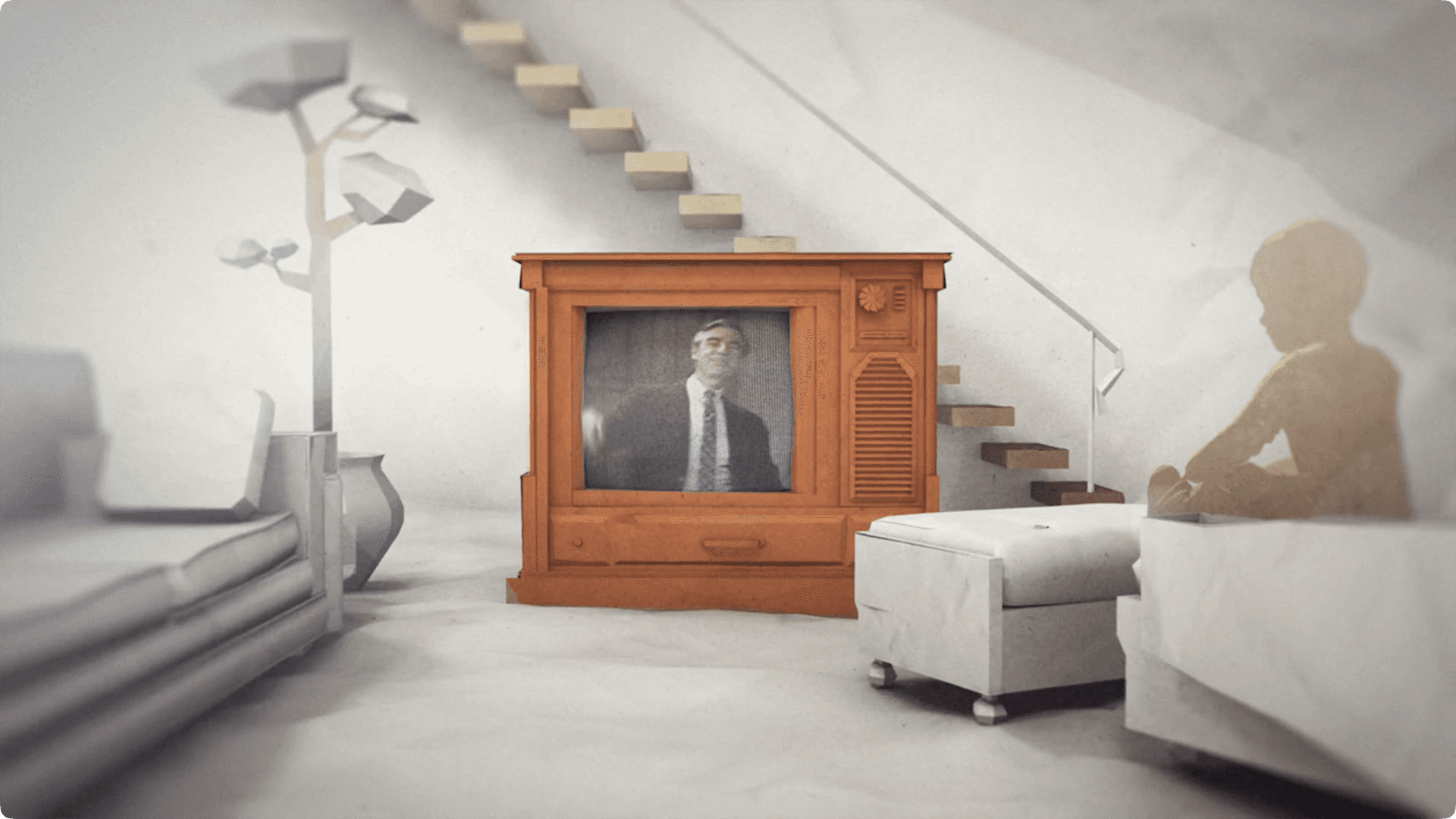
Brand audits at the time confirmed what most people already believed: PBS was Mr. Rogers and Sesame Street. Beloved, trusted, and stuck somewhere in the 1970s. The programming had evolved well past that perception. The brand hadn't kept up.
The rebrand's goal was to change that. It took a full year and was a team effort: outside design agencies, internal creative leadership, strategists, and a production sprint that had me sleeping on the floor for a week before it was finished, but the rebrand was just the beginning.
Childhood
A new brand needs strict rules. Not because rules are the point, but because a new visual language has to be learned before it can be trusted. There were a 1000 visual questions early on and it was my job to answer them all. It took enforcement as much as creativity. Making sure every agency, every campaign, every motion graphic spoke the same language. The toolkit existed. The work was convincing everyone to use it.
Adolescence
Once the language was understood and the vision trusted, we started pushing it beyond its original outline. This is where the real creative work began. Working with outside agencies on campaigns I would test the edges of the system. Some experiments worked. Some didn't. But each one taught me something about what PBS could look like at its best, and what was not in it's DNA. For every new project, we asked ourselves the same question: can this live next to the hundreds of projects that came before it, and hold value for the hundreds that come after?
Adulthood
This is where a brand becomes what most people call 'recognizable'. By this stage we knew what worked and what didn't. I'd run enough experiments with enough agencies to know exactly when to push and when to pull. The creative conversations changed. Less about what the rules allowed, more about what the brand was capable of or what was right for that project.
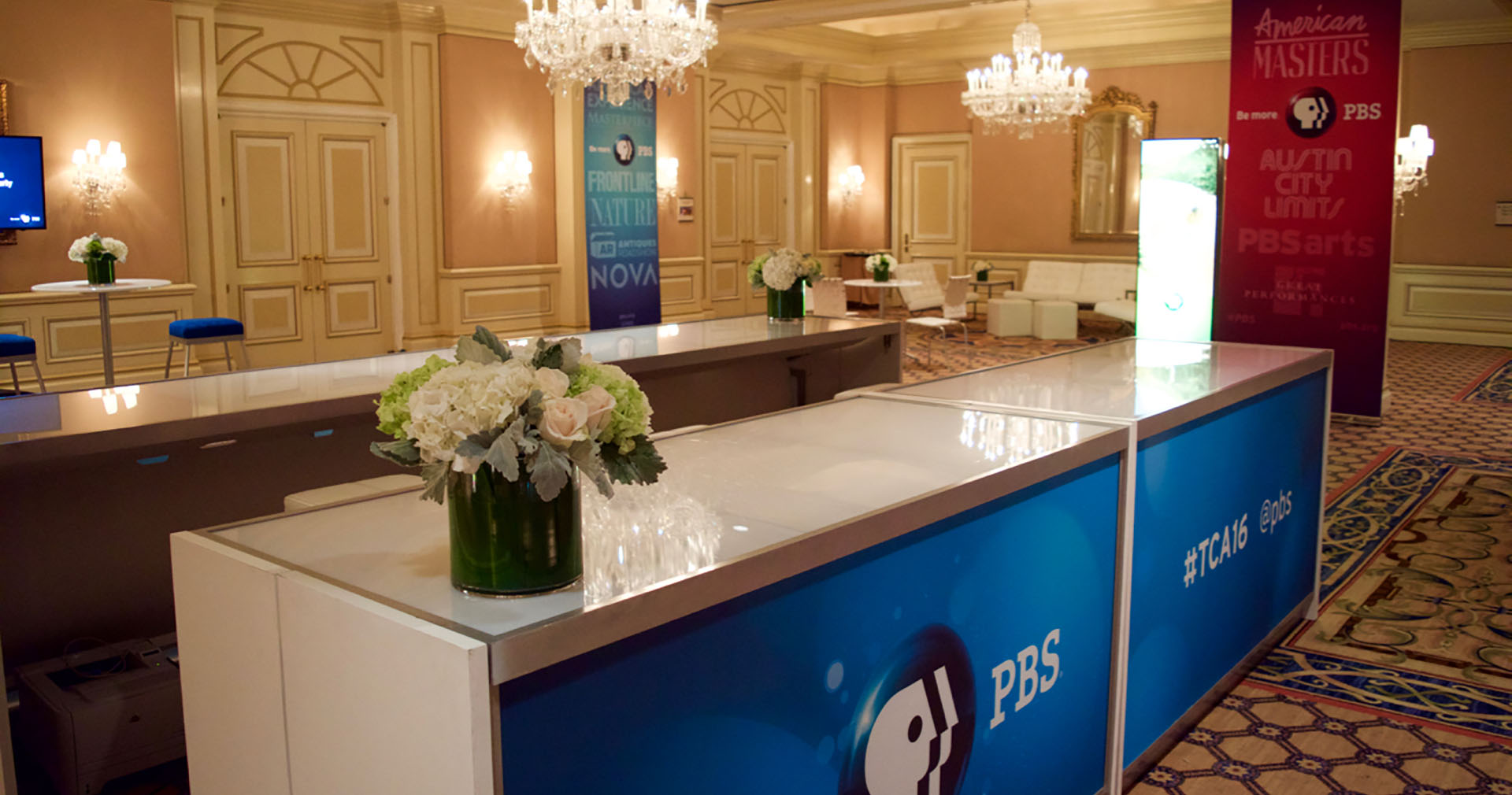
Events like TCA, SXSW, and PBS TechCon required hundreds of deliverables: lobby environments, furniture, digital signage, wayfinding, video, and everything in between. My responsibilities grew year over year as my visual instincts helped stakeholder's deliver on a broader PBS experience. I was on site for every major event, hiring agencies, giving direction, making sure everything from the screens to the physical space felt like one coherent brand.
Lessons
A brand system is only as good as the judgment applied to it over time. Holding one for a decade teaches you something a single project never can: the difference between a brand that superficial and one that is true to it's roots.
Leading creative you didn't originate, which is most of what a Creative Director does, requires a specific kind of confidence. Not in your own taste, but in your understanding of what the work is at it's heart. Earning the trust to do that, one event, one campaign, one agency relationship at a time, is what ten years at PBS gave me.